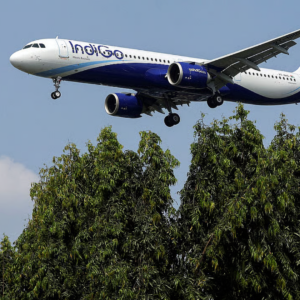


The ongoing software and hardware updates for the A320 aircraft fleet are causing significant operational delays across multiple airlines in India, including IndiGo, Air India, and Air India Express. These updates, which are crucial for ensuring the aircraft’s safety, efficiency, and compliance with international aviation standards, involve both technical and procedural adjustments. While such updates are routine in modern aviation, the scale and complexity of implementing them across a large number of aircraft have led to temporary disruptions in flight schedules, affecting passengers and airline operations alike.
A320 aircraft, widely used by Indian airlines due to their fuel efficiency and reliability, require regular software upgrades to improve flight systems, navigation, and communication capabilities. Hardware updates may involve replacing or servicing critical components such as flight control computers, sensors, or avionics systems. These updates are essential to maintain airworthiness, integrate new safety features, and ensure compliance with directives issued by aviation authorities. However, the installation process is time-consuming and must be carefully coordinated to avoid compromising safety, which can lead to grounded aircraft or rescheduled flights.
For airlines like IndiGo, which operates one of the largest A320 fleets in India, the updates mean a reduction in the number of available aircraft at any given time. This directly impacts flight operations, leading to delays, cancellations, or rescheduling of multiple domestic and international flights. Similarly, Air India and Air India Express are experiencing disruptions, as they juggle fleet maintenance schedules with operational demands, especially during peak travel periods. Passengers may face extended waiting times at airports, disrupted travel plans, and challenges in connecting flights due to cascading delays.
Airlines are actively managing these challenges by informing passengers in advance, rebooking affected travelers, and optimizing fleet usage to minimize disruptions. Aviation authorities monitor the situation closely, ensuring that safety standards are upheld despite the operational pressures. In the long term, these software and hardware updates will enhance aircraft reliability, reduce the likelihood of in-flight technical issues, and improve overall operational efficiency. While the short-term inconvenience is significant, it is a necessary step to maintain the high safety and performance standards that modern aviation demands, ultimately benefiting airlines and passengers alike.