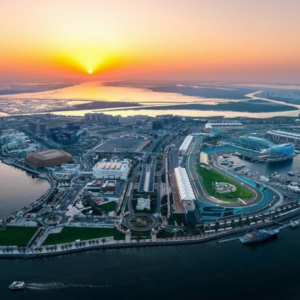


The United Arab Emirates has successfully transformed its large-scale events strategy from seasonal highlights into year-round platforms that significantly boost tourism distribution, economic diversification, sustainability, and cultural engagement. Rather than concentrating visitor traffic within limited peak months, the country now leverages festivals, exhibitions, sporting tournaments, and business conferences throughout the calendar year to ensure consistent tourism inflows across all emirates.
Major cities such as Dubai and Abu Dhabi continue to host globally recognized events, but there is also increasing emphasis on distributing tourism activity to other emirates. This approach strengthens cross-emirate travel, encourages longer visitor stays, and enhances overall hotel occupancy rates nationwide. By promoting integrated travel experiences, authorities ensure that visitors explore cultural, heritage, leisure, and eco-tourism attractions beyond a single destination.
Economically, this year-round events ecosystem supports the United Arab Emirates’ broader diversification strategy by reducing reliance on oil revenues and expanding non-oil sectors such as hospitality, retail, aviation, logistics, and creative industries. Events stimulate small and medium-sized enterprises, create employment opportunities, and attract foreign investment into infrastructure and innovation.
Sustainability has also become a central pillar of event planning. Organisers increasingly incorporate green mobility solutions, waste reduction initiatives, digital ticketing systems, and environmentally responsible venue management. This aligns with the United Arab Emirates’ long-term sustainability commitments and reinforces its position as a forward-looking global events hub.
Culturally, these platforms celebrate Emirati heritage while fostering international exchange. Art festivals, food events, sporting competitions, and technology expos create shared spaces for community participation and global collaboration. The result is a dynamic model where tourism growth is balanced with cultural preservation and environmental responsibility.
Through strategic planning, cross-sector partnerships, and infrastructure investment, the United Arab Emirates continues to position itself as a global leader in hosting impactful, year-round events that drive sustainable economic growth and strengthen its international appeal.