

Stock markets in the United Arab Emirates experienced volatile yet relatively stable trading as investors reacted cautiously to ongoing regional geopolitical developments. Market activity across both the Abu Dhabi Securities Exchange and the Dubai Financial Market reflected mixed sentiment, with certain sectors posting gains while others declined during the trading session.
Energy stocks emerged as one of the strongest-performing segments, supported by global oil price movements and continued investor confidence in the energy sector. Companies linked to energy production and related industries recorded moderate gains, helping to offset broader market pressure. The resilience of energy stocks provided some stability to the market, particularly on the Abu Dhabi Securities Exchange, where energy-related companies hold significant weight in the index.
In contrast, banking and real estate stocks faced downward pressure as investors adopted a cautious approach amid geopolitical uncertainty. Financial institutions and property developers saw moderate declines as market participants evaluated potential regional risks and their possible impact on investment sentiment and economic activity. These sectors traditionally play a major role in both Abu Dhabi and Dubai markets, making their performance a key factor influencing overall index movements.
Despite the mixed performance, market analysts noted that trading remained relatively stable compared with expectations during periods of geopolitical tension. Investors continued to monitor developments closely while balancing long-term economic confidence in the United Arab Emirates with short-term regional risks. The country’s diversified economy, strong fiscal position, and resilient financial sector have historically helped cushion market volatility during uncertain periods.
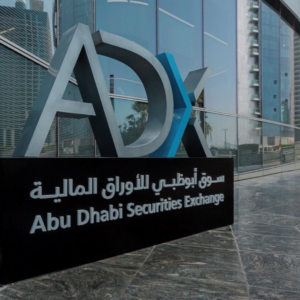
The Abu Dhabi Securities Exchange (ADX) recorded fluctuations driven mainly by movements in energy and industrial stocks, while the Dubai Financial Market (DFM) saw varied performance influenced by banking and real estate sectors. Trading volumes indicated cautious investor behaviour, with participants focusing on selective opportunities rather than broad market exposure.
Financial experts emphasised that the United Arab Emirates’ capital markets remain fundamentally strong. Government reforms, increasing foreign investment participation, and ongoing economic diversification initiatives continue to support long-term growth prospects for the country’s financial sector.
Overall, while regional geopolitical developments created short-term volatility, the trading session demonstrated the underlying resilience of the United Arab Emirates’ stock markets. Investors are expected to remain attentive to global economic signals, energy prices, and geopolitical trends while evaluating investment opportunities across sectors.