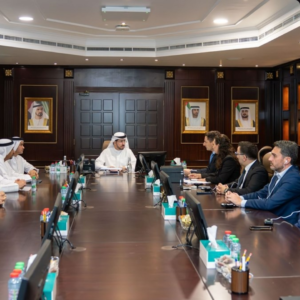


In another powerful step toward shaping a smarter, greener, and more livable city, Sheikh Hamdan bin Mohammed bin Rashid Al Maktoum, Crown Prince of Dubai and Chairman of The Executive Council, has approved a series of key strategic policies and projects that signal a bold leap forward in the emirate’s sustainable development journey. The decisions were made during the latest meeting of The Executive Council, reinforcing Dubai’s ambitious vision of building a future-ready metropolis rooted in innovation, inclusivity, and well-being.
The approved initiatives span across critical sectors such as urban planning, digital transformation, environmental resilience, and public service enhancement. Each project is designed to elevate quality of life, support economic diversification, and empower communities with smarter, more efficient systems. From eco-friendly infrastructure to citizen-centric tech solutions, these strategies reflect a government not only responding to current needs—but actively anticipating future challenges.
Sheikh Hamdan emphasized that Dubai’s leadership is committed to staying ahead of the curve, investing in intelligent planning and forward-thinking policies that ensure sustainable prosperity. These new projects also align with the Dubai Urban Master Plan 2040, an ambitious framework guiding the emirate’s growth while protecting its natural resources and enriching social well-being.
At the heart of the Executive Council’s latest directives is a drive to enhance innovation ecosystems, streamline government services, and expand green mobility options—all aimed at making Dubai not just a smart city, but a globally admired model for urban excellence. The inclusion of policies supporting youth engagement, climate action, and community development underscores Dubai’s holistic approach to progress.
The meeting highlighted that sustainability is no longer a choice—it’s a strategy, and innovation is no longer a trend—it’s a standard. These newly approved plans are set to accelerate the city’s transformation into one of the most adaptive, efficient, and human-centric urban spaces in the world.