

For years, Dubai World Central Business Park remained part of the city’s long-term blueprint. Today, that timeline appears to be accelerating.
Early-stage investment is beginning to flow into the district, signaling a shift from vision to execution as businesses and developers position themselves ahead of wider market activity.
This emerging momentum aligns with a broader expansion strategy shaping Dubai’s commercial landscape. Growth is no longer concentrated within traditional hubs like Downtown Dubai or Dubai International Financial Centre. Instead, newer zones are being developed with scale, infrastructure, and long-term business sustainability in mind.
This shift reflects a broader pattern of Dubai business hub expansion, where growth is extending beyond established districts into emerging, infrastructure-led zones. Dubai South has increasingly become central to this transformation.
At the core of this development push is a rethinking of what modern business districts should offer. The Dubai World Central Business Park is not being positioned as a conventional office cluster. Instead, plans point toward an integrated ecosystem that combines commercial offices, logistics capabilities, and innovation-focused workspaces.
This reflects a wider global trend where business parks are evolving into interconnected environments rather than isolated corporate zones.
A key driver behind rising investor interest is the district’s proximity to Al Maktoum International Airport. The airport, which is undergoing phased expansion, is expected to play a significantly larger role in global cargo and passenger traffic over the coming decade. As aviation and logistics activity scales, surrounding commercial zones are naturally positioned to benefit.
With projections pointing toward sustained commercial growth Dubai 2026, areas like Dubai South are expected to see increasing business activity as infrastructure and demand scale together.
Industry observers note that this is where timing becomes critical. While established districts in Dubai are approaching saturation in terms of space and cost efficiency, emerging zones like Dubai South still offer room for strategic entry. Early investors are not just securing space, they are positioning themselves within a district that is expected to grow alongside infrastructure and connectivity improvements.
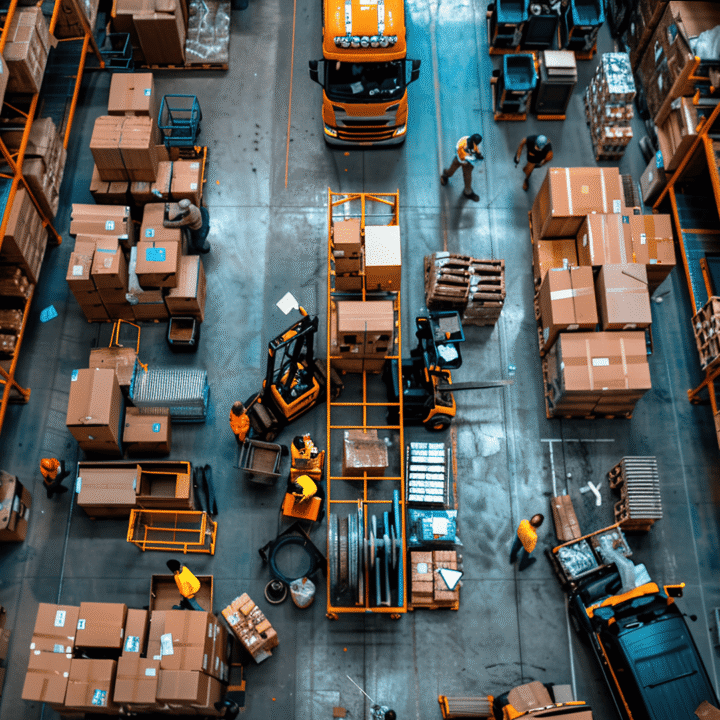
Recent market signals suggest that interest is not limited to large-scale developers. Mid-sized firms, private investors, and startups are also exploring opportunities within the Dubai World Central Business Park. This mix of participants typically indicates confidence in long-term viability, especially during the early phases of a development cycle.
These developments are part of wider expansion plans Dubai business parks are currently undergoing, as the city adapts to evolving business needs and global investment trends. Policy support continues to reinforce this trajectory.
Dubai’s business environment remains one of the most accessible globally, supported by streamlined regulations, foreign investment incentives, and sector-specific initiatives.
From a business perspective, the appeal is increasingly practical. Companies are prioritizing locations that offer a balance of cost efficiency, connectivity, and scalability. The Dubai World Central Business Park aligns with these requirements, particularly for firms operating within logistics, trade, and innovation-driven sectors.
That said, large-scale developments of this nature come with expected challenges. Infrastructure readiness, phased delivery timelines, and consistent tenant demand will be key factors in determining how quickly the district reaches maturity. However, these considerations are typical for projects designed with long-term urban and economic impact in mind.
For now, the direction is clear. Investment activity is picking up, interest is broadening, and the Dubai World Central Business Park is gradually transitioning from a planned district into an active business destination.
As Dubai continues to expand its commercial footprint, developments like this are expected to play a defining role in shaping where businesses choose to operate next. The current wave of early investment suggests that stakeholders are not only responding to present opportunities but are also aligning themselves with what could become one of the city’s next major business hubs.